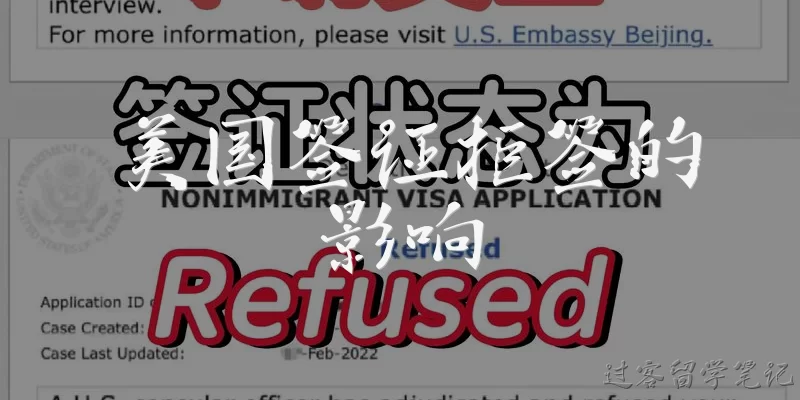
F1 visa denied:Why was my F1 visa denied?
Q: Why was my F1 visa denied?
A: F1 visa denials typically stem from several common reasons under Section 214(b) of the Immigration and Nationality Act, which presumes every applicant intends to immigrate. The consular officer must be convinced you have strong ties to your home country and plan to return after your studies. Frequent reasons include insufficient proof of financial ability to cover tuition and living expenses, unclear academic goals, weak ties to your home country such as no property, job, or family obligations, or a previous immigration violation. Sometimes applicants fail to demonstrate that they will return because they cannot explain how their U.S. degree will help their career back home. The denial letter often cites 214(b) without details. To address it, you can reapply with stronger evidence of financial resources, a clear study plan, and documentation showing compelling reasons to return. Each case is unique, so consulting an immigration attorney can help identify the specific weakness and improve your next application.
Q: Can I reapply for an F1 visa after a denial?
A: Yes, you can reapply for an F1 visa after a denial. There is no mandatory waiting period, but you must address the reasons for the previous refusal. When you reapply, you will pay the visa fee again and submit a new DS-160 form. The consular officer will see your prior denial, so it is crucial to present new or stronger evidence that overcomes the earlier concerns. For example, if the denial was due to insufficient funds, provide additional bank statements, sponsorship letters, or scholarship awards. If ties to your home country were questioned, include documents like property deeds, employment offers, or family ties. It also helps to write a cover letter explaining what changed since the last application. Some applicants succeed on the second try by clearly showing their intent to return. However, repeated denials without addressing the core issue can harm your chances, so prepare carefully. Consider consulting an immigration attorney to strengthen your case.
Q: What does a 214(b) denial mean for an F1 visa?
A: A 214(b) denial for an F1 visa refers to Section 214(b) of the U.S. Immigration and Nationality Act, which states that every applicant is presumed to be an intending immigrant until they prove otherwise. For student visas, this means the consular officer was not convinced that you have a residence in your home country that you have no intention of abandoning, or that you plan to return after your studies. It is not a permanent ban; it simply indicates that the officer felt your ties to your home country were insufficient or your purpose of visit was unclear. Many F1 denials cite 214(b) as the sole reason. To overcome it, you need to demonstrate strong economic, social, and family ties to your home country, as well as a credible study plan and financial capacity. A 214(b) refusal does not prevent you from reapplying, but you must present new evidence or a changed situation to succeed.
Q: How can I prove strong ties to my home country for an F1 visa?
A: To prove strong ties to your home country for an F1 visa, you need to show the consular officer that you have compelling reasons to return after your studies. Strong ties can be economic, social, and familial. Economic ties include property ownership, a job offer or employment letter from a company in your home country, or a family business you will inherit. Social ties include membership in community organizations, volunteer work, or long-term relationships. Familial ties might be a spouse, children, or parents who depend on you, or family obligations. You can also demonstrate that your U.S. degree will significantly enhance your career prospects back home, making your return more likely. Documents to provide include property deeds, employment contracts, bank statements, family photos, and a written statement explaining your future plans. The key is to present a coherent narrative that studying in the U.S. is a temporary step toward a better life in your home country, not an attempt to immigrate.
Words of experience
Common scenarios of "F1 visa denied"
【John】 Hey, I heard you got your F1 visa denied. That's tough, man. What happened?
【Emily】 Yeah, it was a shock. The consular officer said I didn't have strong ties to my home country.
【John】 That's a common reason. Did they ask you specific questions about your plans after graduation?
【Emily】 Yes, they asked what I planned to do after my program. I said I wanted to gain some work experience in the US before returning, and maybe that sounded like I intended to immigrate.
【John】 Ah, that might have been a red flag. They want to hear that you'll definitely go back. What did you say about your family ties?
【Emily】 I mentioned my parents and siblings are back home, but I guess it wasn't enough. They also asked about my financial support.
【John】 Did you have all the financial documents ready?
【Emily】 I did, but the officer seemed skeptical about my sponsor's bank statements. Maybe they thought the funds weren't sufficient.
【John】 That's frustrating. Are you going to reapply?
【Emily】 I'm considering it, but I need to address the weaknesses. Maybe I should get a letter from a future employer in my home country stating they'll hire me after graduation.
【John】 That could help. Also, you might want to emphasize any property or assets your family owns.
【Emily】 Yeah, I didn't mention our family business. I'll include that next time.
【John】 Have you talked to your university's international office? They might have advice.
【Emily】 Not yet, but I plan to. They probably have seen many similar cases.
【John】 Definitely. Also, consider practicing your interview answers to sound more confident and clear.
【Emily】 I will. I think my nervousness might have made me seem unsure.
【John】 It's understandable. A mock interview with a friend could help.
【Emily】 That's a good idea. Thanks for the support, John.
【John】 No problem. Keep me posted. You'll get it next time.
【Emily】 I hope so. I'll start preparing right away.