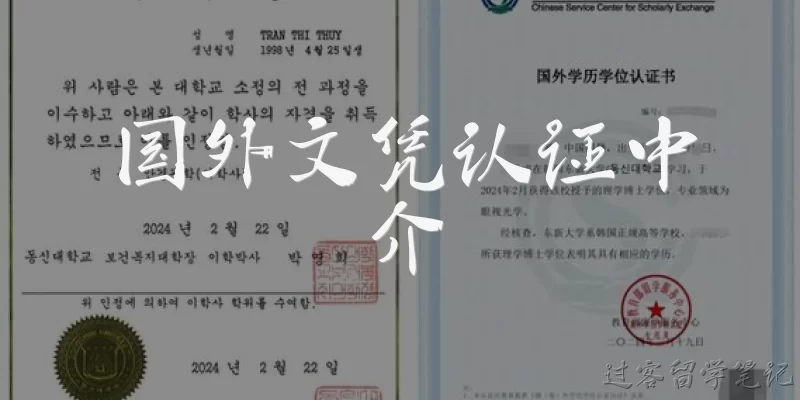
Sino-Foreign Cooperative Education Accreditation Network:What is the Sino-Foreign Cooperative Education Accreditation Network?
Q: What is the Sino-Foreign Cooperative Education Accreditation Network?
A: The Sino-Foreign Cooperative Education Accreditation Network is a specialized platform dedicated to the accreditation of transnational education programs jointly offered by Chinese and foreign institutions. It brings together experts, regulators, and universities to develop quality standards and conduct evaluations. The network aims to ensure that cooperative programs meet both Chinese regulations and international benchmarks. By sharing best practices and accreditation outcomes, it helps students identify reputable programs and supports institutions in continuous improvement. It also facilitates mutual recognition of qualifications, enhancing the global mobility of graduates from Sino-foreign cooperative education.
Q: Why is accreditation important for Sino-foreign cooperative education programs?
A: Accreditation is crucial because it verifies that a Sino-foreign cooperative program meets established quality standards in curriculum, faculty, resources, and student support. Without accreditation, students may risk earning degrees that are not recognized by employers or further education institutions. Accreditation also protects the reputation of both Chinese and foreign partners, ensuring that the collaboration delivers genuine educational value. Moreover, it provides a mechanism for accountability, as programs must undergo periodic reviews. For students, choosing an accredited program means greater assurance of a high-quality education and better career prospects both in China and abroad.
Q: How does the network evaluate and accredit cooperative education programs?
A: The network evaluates programs through a multi-step process. First, institutions submit a self-study report detailing objectives, curriculum, faculty, and student outcomes. Then, a peer review team, including experts from both China and abroad, conducts a site visit to verify the report and interview stakeholders. The team assesses against criteria such as governance, teaching quality, and student achievement. Finally, the network issues an accreditation decision, often with recommendations for improvement. Reaccreditation occurs every few years. This rigorous process ensures consistency and transparency, helping maintain high standards across diverse Sino-foreign cooperative initiatives.
Q: What are the benefits of joining the Sino-Foreign Cooperative Education Accreditation Network?
A: Joining the network offers several benefits. Institutions gain access to a community of practice where they can share challenges and solutions with peers. They receive guidance on meeting accreditation standards, which can improve their program quality and reputation. Accreditation status signals credibility to prospective students, parents, and employers, potentially increasing enrollment and graduate employability. The network also provides professional development for faculty and administrators. Additionally, members can influence the development of accreditation policies and stay updated on regulatory changes. Overall, participation helps institutions demonstrate their commitment to excellence in transnational education.
Q: What challenges does the network face in accrediting Sino-foreign cooperative education?
A: The network faces several challenges. Differences in educational systems, cultural norms, and quality assurance frameworks between China and foreign countries can complicate the development of unified standards. Language barriers and logistical issues may hinder site visits and communication. Some programs operate across multiple locations, making consistent evaluation difficult. Additionally, the rapid growth of cooperative programs outpaces the network's capacity to accredit them all. Balancing flexibility with rigor is another challenge, as programs vary widely in size and discipline. The network addresses these by fostering dialogue, training reviewers, and adapting criteria to diverse contexts while maintaining core quality expectations.
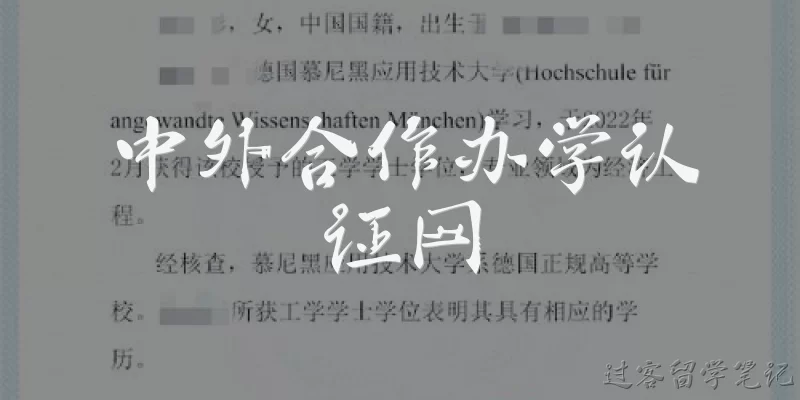
Words of experience
Common scenarios of "Sino-Foreign Cooperative Education Accreditation Network"
【Student】 你好,我最近在考虑报考中外合作办学项目,但听说有个‘中外合作办学认证网络’,这是什么?
【Advisor】 你好!中外合作办学认证网络通常指的是教育部学位与研究生教育发展中心等机构建立的认证平台,用于对中外合作办学项目和机构进行质量评估和认证。你可以通过它查询项目是否经过官方认证。
【Student】 那这个认证网络具体由谁运营?是政府机构吗?
【Advisor】 主要是教育部及其下属单位,比如教育部学位中心,还有中国教育国际交流协会等参与。它是一个官方或半官方的网络,旨在规范中外合作办学市场。
【Student】 认证网络的作用是什么?只是查询吗?
【Advisor】 不止查询。它还包括制定认证标准、组织专家评审、发布认证结果、提供质量报告等。认证结果会影响项目的招生和学历认可。
【Student】 那如果我想查一个具体项目,比如‘XX大学与YY大学合作项目’,怎么查?
【Advisor】 你可以访问教育部中外合作办学监管工作信息平台或认证网络官网,输入项目名称或办学机构名称进行查询。如果已认证,会显示认证状态和有效期。
【Student】 认证和审批是一回事吗?
【Advisor】 不是。审批是办学前的行政许可,认证是办学后的质量评估。审批由教育部或省级教育行政部门负责,认证由第三方或专门机构实施。
【Student】 那认证网络里有没有列出所有合法项目?
【Advisor】 认证网络主要收录通过认证的项目,但审批信息在监管平台更全面。建议两者都查,确保项目既合法又优质。
【Student】 认证的有效期是多久?过期了怎么办?
【Advisor】 认证有效期通常为4-6年,到期需要重新申请。如果未通过再认证,可能会被取消认证资格,影响学生学历认证。
【Student】 如果项目没有认证,是不是就不好?
【Advisor】 不一定不好,但风险较高。没有认证意味着未经过独立质量评估,学历认可度可能打折扣。建议优先选择已认证项目。
【Student】 认证网络会公布专家评审意见吗?
【Advisor】 一般会公布认证结论和简要报告,但详细专家意见可能不公开。你可以通过认证网络下载认证报告或摘要。
【Student】 那对留学生来说,这个认证网络国际认可吗?
【Advisor】 中国的中外合作办学认证网络主要在国内有效,但一些国际组织如AQAN等有互认。具体要看项目是否获得国际专业认证。